
Preventing Common Back-to-School Sports Injuries: A Complete Parent’s Guide
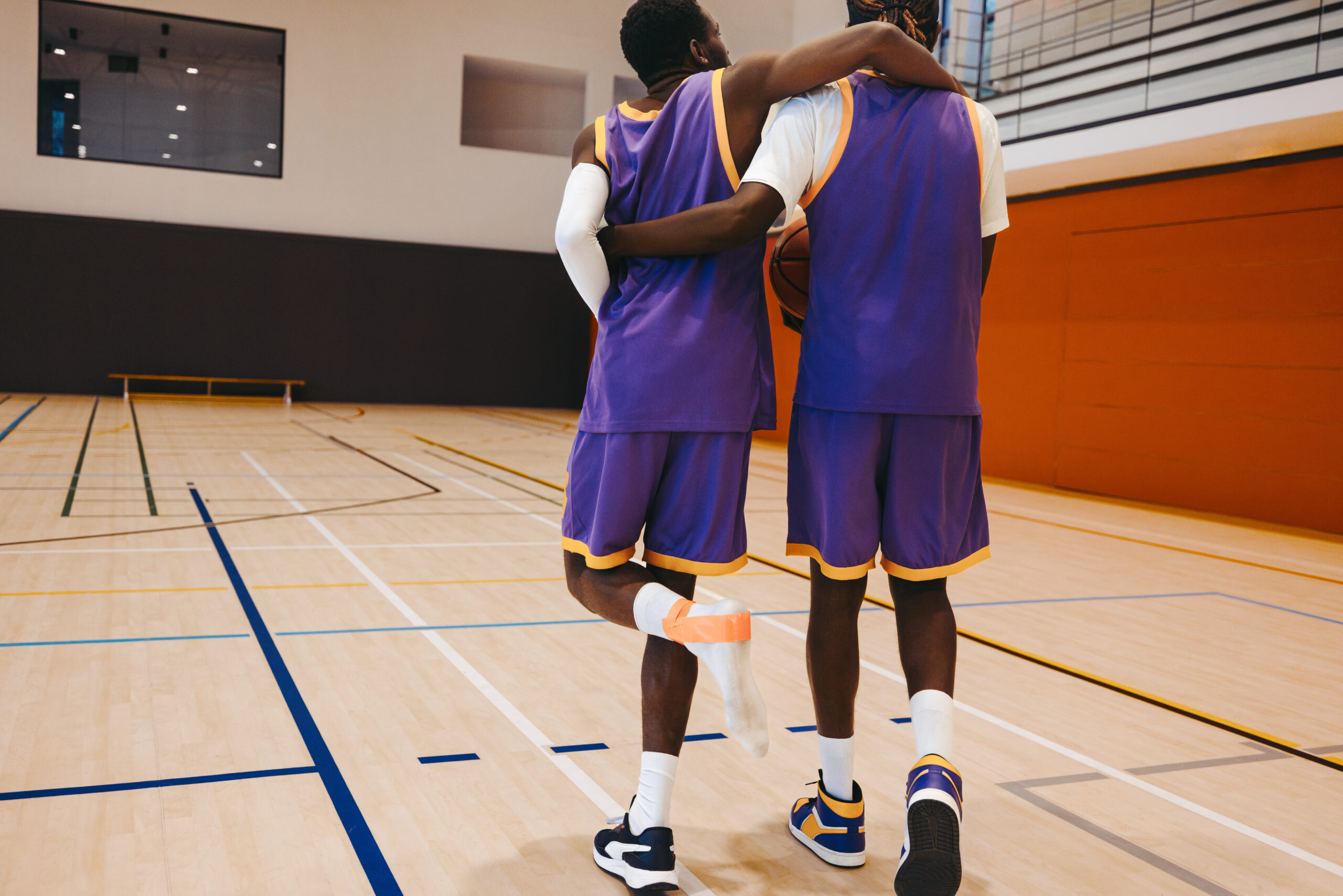
Returning to school is exciting for students — and for many, that means returning to winter sports. Sports are a great way to stay active, build teamwork, and boost confidence. Unfortunately, they also come with a risk of injury.
The good news is that parents play a critical role in helping young athletes stay safe and healthy by understanding common injuries, prevention strategies, and when to seek care.
In this blog, we’ll cover the most common sports injuries, how to prevent them, and what to do if they happen.
Understanding the Most Common School Sports Injuries
Children and teens are more susceptible to injuries because their bones and joints are still developing. Growth plates — the areas of growing tissue near the ends of long bones — are particularly vulnerable. Overtraining, inadequate rest, or poor technique can increase the risk of serious injury. Being proactive about prevention is essential.
Some of the most frequent injuries include:
- Sprains and strains: Overstretching ligaments or muscles, often affecting ankles, knees, and wrists.
- Fractures: Broken bones from falls, collisions, or overuse.
- Concussions: Head injuries that may result from contact sports, falls, or collisions.
- Overuse injuries: Stress fractures, tendinitis, or growth plate injuries caused by repetitive motion.
The Importance of Preseason Health Checks
Before the season begins, scheduling a preseason physical or health check is one of the best ways to prevent injuries. These evaluations help identify underlying health issues, assess fitness for play, and establish baseline information for your child’s overall health.
A sports medicine professional will review medical history, assess flexibility, strength, and joint stability, and may recommend additional testing if needed. Early identification of potential concerns—such as asthma, heart conditions, or previous injuries—can prevent complications and ensure your child participates safely.
Proper Warm-Up and Cool-Down Routines
Warming up is not optional—it’s essential. A proper warm-up increases blood flow to muscles, improves joint mobility, and reduces the risk of strains or sprains. Dynamic movements like high knees, leg swings, or arm circles are particularly effective before practice or games.
Equally important is the cool-down after activity. Gentle stretching helps muscles relax, reduces stiffness, and supports recovery. Consistently following warm-up and cool-down routines can significantly lower the risk of injuries that might otherwise disrupt the season.
Strengthening and Conditioning
Strength, flexibility, and balance are key factors in injury prevention. Conditioning programs help young athletes develop strong muscles that protect joints, improve posture, and enhance overall performance. It’s especially important for kids returning to sports after a break or starting a new activity.
For example:
- Soccer players can focus on core strength and ankle stability.
- Basketball players benefit from leg and knee exercises to support jumping and pivoting.
- Swimmers may emphasize shoulder and back conditioning to prevent overuse injuries.
Protective Gear and Equipment Safety
Proper gear and equipment are crucial. Helmets, pads, mouthguards, and well-fitted shoes all protect against injuries. Parents should inspect equipment regularly for wear and tear and ensure everything fits correctly.
For example, cleats that are too tight can cause foot pain, while helmets that are too loose may fail to protect the head properly. Checking equipment before each season and teaching children how to use it correctly can make a measurable difference in safety.
Hydration, Nutrition, and Recovery
Dehydration and poor nutrition increase the likelihood of injuries. Young athletes need adequate water intake before, during, and after activity. Balanced meals with protein, complex carbohydrates, and healthy fats support energy, muscle repair, and bone health.
Recovery is equally important. Sleep, rest days, and proper cooldowns allow the body to repair itself, preventing fatigue-related injuries. Parents should help athletes maintain a schedule that balances sports, school, and rest.
Recognizing Early Signs of Injury
Knowing the difference between normal soreness and a potential injury is critical. Warning signs include:
- Swelling, bruising, or visible deformity
- Persistent pain during or after activity
- Reduced range of motion or weakness
- Headaches, dizziness, or confusion following impact
Care Station Medical Group: Your Partner in School and Sports Physicals
Care Station Medical Group offers convenient locations and extended hours, making sports physicals in New Jersey simple for families in Linden and across Union County.
Contact us or give us a call at (908) 925-CARE (2273) to schedule your child’s sports physical today. Our experienced providers will complete a detailed health check to confirm that your child is ready to play safely.