
Winter Health Risks: Snow Shoveling Dangers and Cold Weather Safety
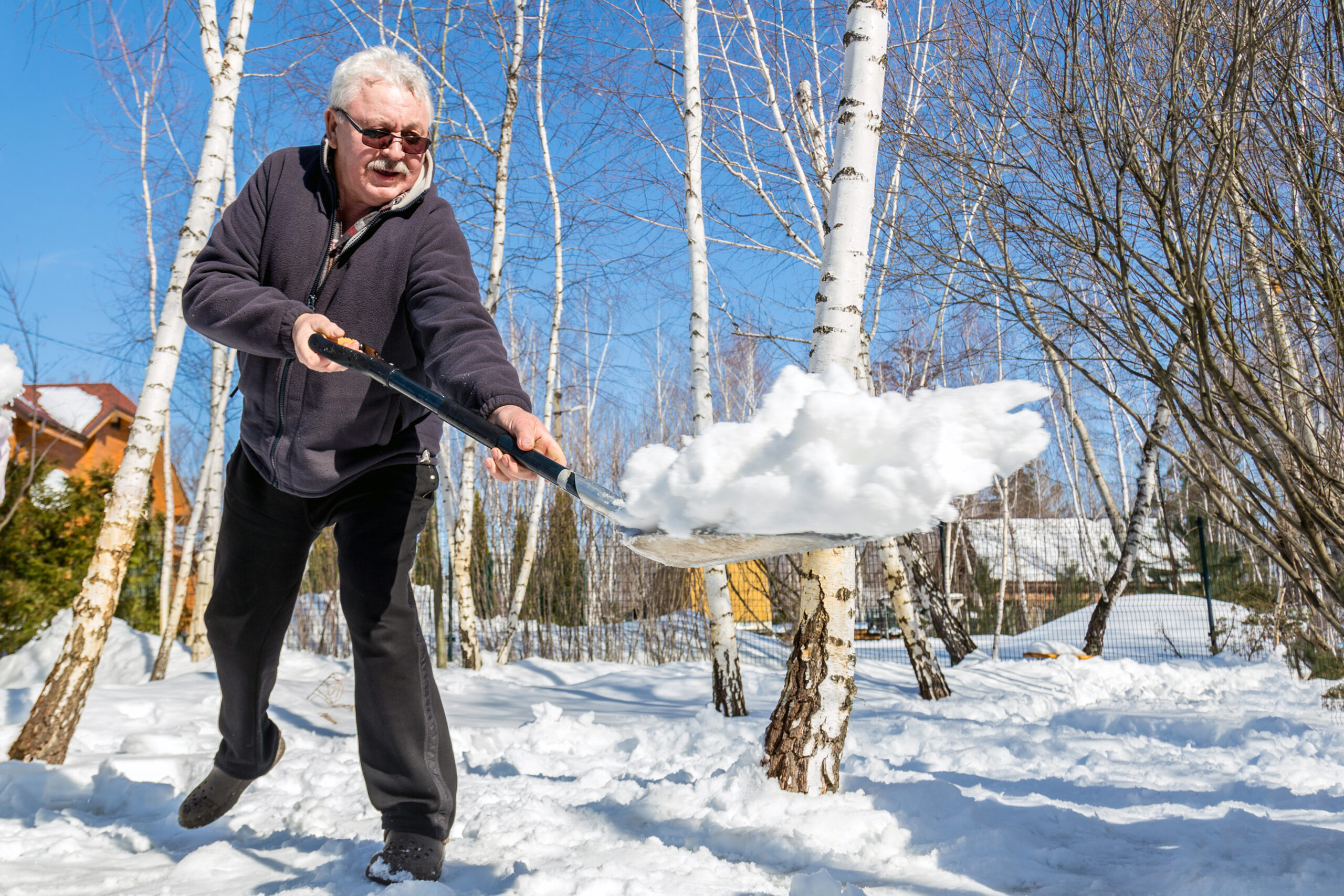
Winter in New Jersey brings beautiful snow-covered landscapes, but it also introduces serious health risks that send thousands of people to urgent care facilities each year. Understanding these dangers—especially the hidden risks of snow shoveling—can help you protect yourself and your family during the coldest months.
The Hidden Danger of Snow Shoveling
Snow shoveling might seem like simple exercise, but it’s one of winter’s most dangerous activities. Each year, approximately 11,500 adults and children are treated in emergency departments for snow shoveling-related injuries, according to nationwide research.
Why Snow Shoveling Is So Risky
Shoveling snow combines three cardiovascular stressors simultaneously: intense physical exertion, cold air exposure, and the Valsalva maneuver (holding your breath while straining). This perfect storm can trigger serious cardiac events, even in people who consider themselves relatively healthy.
Heavy, wet snow weighs significantly more than it appears. A single shovelful can weigh 15-20 pounds, and the repetitive lifting motion—often performed by people who are otherwise sedentary—places enormous strain on the heart and musculoskeletal system.
Cold air constricts blood vessels, forcing your heart to work harder to pump blood throughout your body. When combined with sudden, intense exertion, this constriction can lead to dangerous spikes in blood pressure and heart rate.
Heart Attack Warning Signs While Shoveling
If you experience any of these symptoms while shoveling snow, stop immediately and seek medical attention:
- Chest pain, pressure, or tightness
- Shortness of breath or difficulty breathing
- Pain radiating to your jaw, neck, arms, or back
- Unusual fatigue or weakness
- Dizziness or lightheadedness
- Nausea or cold sweats
Don’t wait to see if symptoms pass. Time is critical during a cardiac event. Care Station Medical Group’s urgent care facilities provide immediate evaluation for chest pain and cardiac symptoms without the wait times of traditional emergency rooms.
Additional Winter Health Hazards
Slip and Fall Injuries
Icy sidewalks and driveways cause thousands of fractures, sprains, and head injuries each winter. Older adults face particular risk, as falls can result in hip fractures or traumatic brain injuries. Always wear appropriate footwear with good traction, take small steps, and use handrails when available.
Frostbite and Hypothermia
Frostbite occurs when skin and underlying tissues freeze, typically affecting fingers, toes, nose, and ears. Early warning signs include numbness, white or grayish-yellow skin, and unusually firm or waxy-feeling skin.
Hypothermia develops when your body loses heat faster than it can produce it, causing your core temperature to drop below 95°F. Symptoms include intense shivering, slurred speech, confusion, drowsiness, and loss of coordination.
Both conditions require immediate medical attention. If you suspect frostbite or hypothermia, get to a warm environment and seek professional care immediately.
Carbon Monoxide Poisoning
Winter increases carbon monoxide poisoning risk as people use heating systems, generators, and vehicles in enclosed spaces. This odorless, colorless gas causes headaches, dizziness, nausea, confusion, and can be fatal. Never run generators indoors or in garages, and ensure all heating equipment is properly ventilated.
Safe Snow Shoveling Guidelines
If you must shovel snow, follow these safety recommendations:
Before you start: – Warm up with light stretching for 5-10 minutes – Dress in layers to prevent overheating – Stay hydrated, even though you may not feel thirsty
During shoveling: – Push snow rather than lifting when possible – Use a smaller shovel to reduce weight per load – Bend from your knees, not your back – Take frequent breaks every 15-20 minutes – Avoid eating a heavy meal immediately before shoveling
Who should avoid shoveling: – People with a history of heart disease – Those who have had a previous heart attack – Individuals with high blood pressure or high cholesterol – Anyone who leads a sedentary lifestyle – People over 55 years old
Consider hiring a snow removal service or asking younger family members for help if you fall into any of these categories.
When to Visit Urgent Care
Care Station Medical Group provides immediate treatment for winter-related health concerns, including:
- Chest pain or cardiac symptoms
- Slip and fall injuries requiring X-rays
- Suspected fractures or sprains
- Frostbite treatment
- Minor cold-weather injuries
- Breathing difficulties
Our facilities in West Orange and Secaucus offer extended hours, no appointment necessary, making us your convenient alternative to emergency room visits for non-life-threatening winter health issues.
Protect Your Health This Winter
Winter doesn’t have to be dangerous if you take appropriate precautions. Listen to your body, know your limitations, and don’t hesitate to seek medical attention when something doesn’t feel right. Your health is too important to risk for a clear driveway.
For immediate care during winter health emergencies, visit Care Station Medical Group or call ahead to speak with our medical team about your symptoms.