
Spring Break Travel Vaccines: Essential Immunizations for Your Trip Abroad
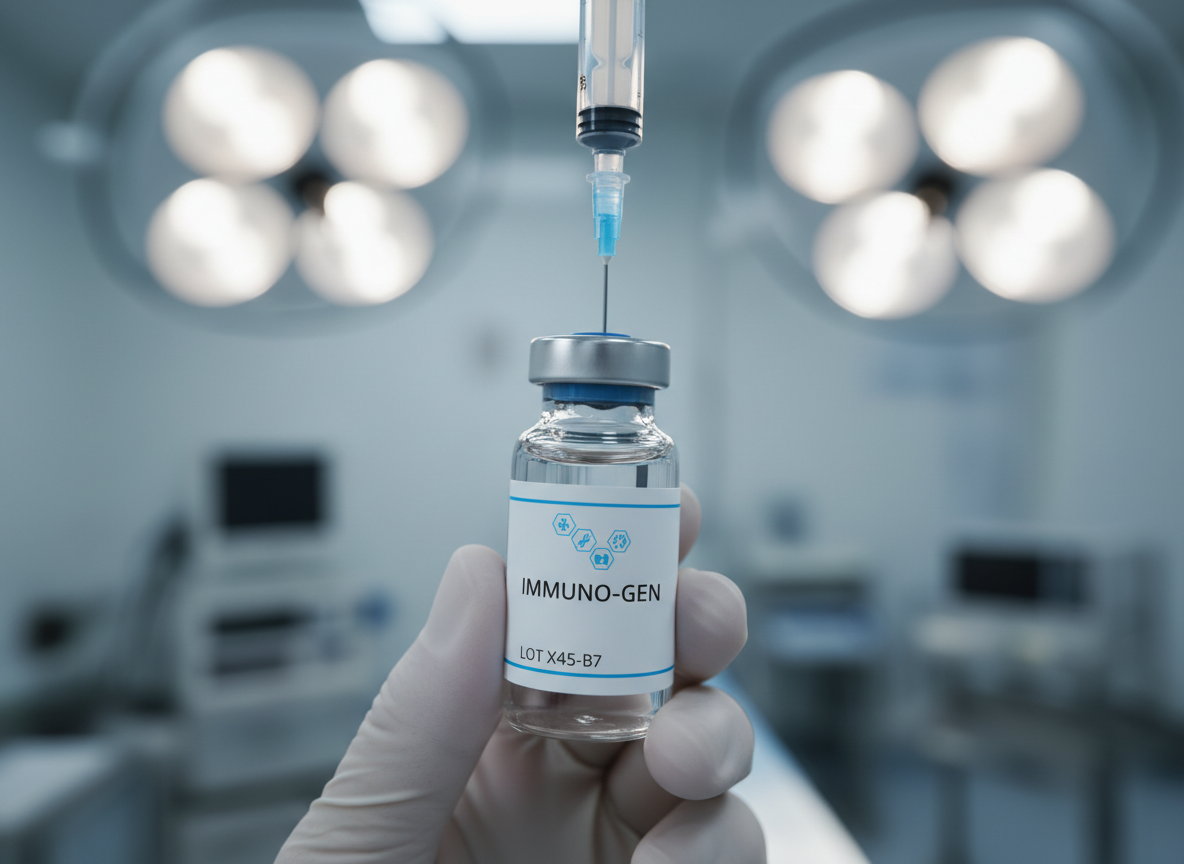
Spring break represents freedom, adventure, and unforgettable experiences for millions of travelers each year. Whether you’re planning a beach getaway in Mexico, exploring ancient ruins in Central America, or backpacking through Southeast Asia, protecting your health should be your first priority. Travel vaccines are essential safeguards that can prevent serious illnesses and ensure your vacation memories are positive ones.
Understanding which vaccines you need and when to get them can mean the difference between a carefree adventure and a medical emergency thousands of miles from home.
Why Travel Vaccines Matter
Many infectious diseases that have been eliminated or are rare in the United States remain common in other parts of the world. When you travel internationally, you expose yourself to different pathogens, sanitation standards, and disease risks that your immune system may have never encountered.
Travel-related illnesses are more common than most people realize. According to the Centers for Disease Control and Prevention, between 22% and 64% of international travelers report some form of illness during or after their trips. While many of these are minor gastrointestinal issues, some can be life-threatening diseases that are entirely preventable through vaccination.
Vaccination requirements vary by destination. Some countries legally require proof of certain vaccinations for entry, while others strongly recommend them based on local disease prevalence. Failing to get required vaccines can result in denied entry, quarantine, or serious health consequences.
When to Schedule Your Travel Vaccines
Timing is critical when it comes to travel immunizations. Many vaccines require multiple doses spread over weeks or months to provide full protection, while others need time for your immune system to build adequate antibody levels.
Ideally, schedule your travel vaccine consultation 4-6 weeks before departure. This timeline allows for:
– Multi-dose vaccine series to be completed
– Your immune system to develop full protection
– Time to address any side effects before travel
– Flexibility if additional vaccines are recommended
Last-minute travelers aren’t out of luck. Even if your trip is just days away, getting vaccinated still provides significant protection. Some immunity is always better than none, and Care Station Medical Group can provide expedited travel vaccine consultations for urgent departures.
Most Common Spring Break Travel Vaccines
Hepatitis A Vaccine
Why you need it: Hepatitis A is one of the most common vaccine-preventable diseases among travelers. This liver infection spreads through contaminated food and water, even in tourist areas of developing countries.
Who should get it: The CDC recommends hepatitis A vaccination for all travelers to countries with intermediate to high rates of infection, which includes most destinations in Central America, South America, Africa, Asia, and the Middle East.
Vaccine schedule: Two doses provide long-term protection. The first dose offers protection within 2-4 weeks, with a booster dose 6-12 months later for lasting immunity.
Good to know: Many adults may have already received this vaccine during childhood, but immunity can wane over time. A simple blood test can determine if you need a booster.
Typhoid Vaccine
Why you need it: Typhoid fever is a serious bacterial infection transmitted through contaminated food and water. It causes high fever, weakness, stomach pain, and can be life-threatening without treatment.
Who should get it: Travelers to South Asia, especially India, Pakistan, and Bangladesh, face the highest risk. The CDC also recommends it for travel to other parts of Asia, Africa, the Caribbean, and Central and South America.
Vaccine schedule: Two options exist—an injectable vaccine (one dose, effective after 2 weeks) or an oral vaccine (four capsules taken over a week). Protection lasts 2-5 years depending on the vaccine type.
Good to know: No vaccine is 100% effective against typhoid, so safe food and water practices remain essential even after vaccination.
Yellow Fever Vaccine
Why you need it: Yellow fever is a potentially fatal viral disease transmitted by mosquitoes in tropical regions of Africa and South America. The disease causes fever, jaundice, and can lead to organ failure.
Who should get it: Required for entry to certain countries in Africa and South America. Some countries also require proof of yellow fever vaccination if you’re traveling from a country where yellow fever is present.
Vaccine schedule: Single dose provides protection within 10 days and lasts for life. Must be administered at an authorized yellow fever vaccination center.
Good to know: You’ll receive an International Certificate of Vaccination (yellow card) as proof of vaccination, which you must carry with your passport. Care Station Medical Group is an authorized yellow fever vaccination provider.
Hepatitis B Vaccine
Why you need it: Hepatitis B spreads through contact with infected blood or body fluids. Travelers may be exposed through medical procedures, tattoos, piercings, or intimate contact.
Who should get it: Recommended for travelers to regions with high hepatitis B prevalence, including Asia, Africa, South America, and Eastern Europe. Particularly important for those who might need medical care abroad or engage in activities with exposure risk.
Vaccine schedule: Standard series involves three doses over 6 months, though an accelerated schedule can provide protection in 3 weeks.
Good to know: Many people received this vaccine as children, but immunity may decrease over time. A titer test can check your current protection level.
Rabies Vaccine
Why you need it: Rabies is almost always fatal once symptoms appear. The virus spreads through bites or scratches from infected animals, commonly dogs in many countries.
Who should get it: Pre-exposure vaccination is recommended for travelers to areas where rabies is common and medical care may be difficult to access, including much of Asia, Africa, and Central and South America. Especially important for adventure travelers, wildlife enthusiasts, and those planning extended stays.
Vaccine schedule: Pre-exposure series requires three doses over 3-4 weeks. If exposed to rabies after vaccination, you’ll still need post-exposure shots, but fewer doses are required.
Good to know: Even with pre-exposure vaccination, seek immediate medical care after any animal bite or scratch abroad.
Japanese Encephalitis Vaccine
Why you need it: This mosquito-borne viral infection affects the brain and can cause severe neurological damage or death. It’s most common in rural agricultural areas of Asia.
Who should get it: Travelers spending extended time (more than a month) in rural areas of Asia, particularly during transmission season. Also recommended for shorter trips involving extensive outdoor activities in endemic areas.
Vaccine schedule: Two doses given 28 days apart, with the last dose at least one week before travel.
Good to know: Risk is generally low for typical tourists staying in urban areas, but can be significant for rural travelers during peak mosquito season.
Additional Preventive Measures
Beyond destination-specific vaccines, ensure your routine immunizations are current:
Routine vaccines include measles-mumps-rubella (MMR), diphtheria-tetanus-pertussis, varicella (chickenpox), polio, and your annual influenza vaccine. Disease outbreaks of these preventable illnesses occur regularly in many countries.
COVID-19 vaccination requirements vary by destination and change frequently. Check current requirements for your specific destination and ensure you’re up to date with recommended boosters.
Malaria prevention isn’t vaccine-based but requires prescription antimalarial medication for travel to endemic areas. Discuss malaria risk with your healthcare provider during your travel consultation.
What to Expect During Your Travel Vaccine Appointment
Your travel vaccine consultation at Care Station Medical Group includes:
Personalized risk assessment based on your specific itinerary, planned activities, length of stay, accommodation type, and personal health history.
Comprehensive vaccine recommendations tailored to your destination and travel style, including required and recommended immunizations.
Prescription medications if needed, such as antimalarial drugs or traveler’s diarrhea antibiotics.
Travel health education covering safe food and water practices, insect bite prevention, and what to do if you become ill abroad.
Documentation including your vaccination records and International Certificate of Vaccination if receiving yellow fever vaccine.
Don’t Let Preventable Illness Ruin Your Spring Break
Spring break should be filled with adventure, relaxation, and amazing experiences—not hospital visits and serious illness. Taking time to get appropriate travel vaccines is a small investment that protects your health, your travel companions, and your vacation investment.
Care Station Medical Group’s travel immunization services provide comprehensive protection for travelers heading to destinations worldwide. Our experienced healthcare providers stay current with CDC travel health recommendations and can provide same-day vaccinations for most travel destinations.
Planning your spring break trip? Schedule your travel vaccine consultation at Care Station Medical Group today. Our West Orange and Secaucus locations offer convenient appointment times, and we accept most insurance plans. Don’t wait until the last minute—protect your health and enjoy worry-free travel this spring break.
Visit us online or call to book your travel immunization appointment. Safe travels start with smart preparation.