
When Should You See a Foot Doctor? Here’s What You Need to Know
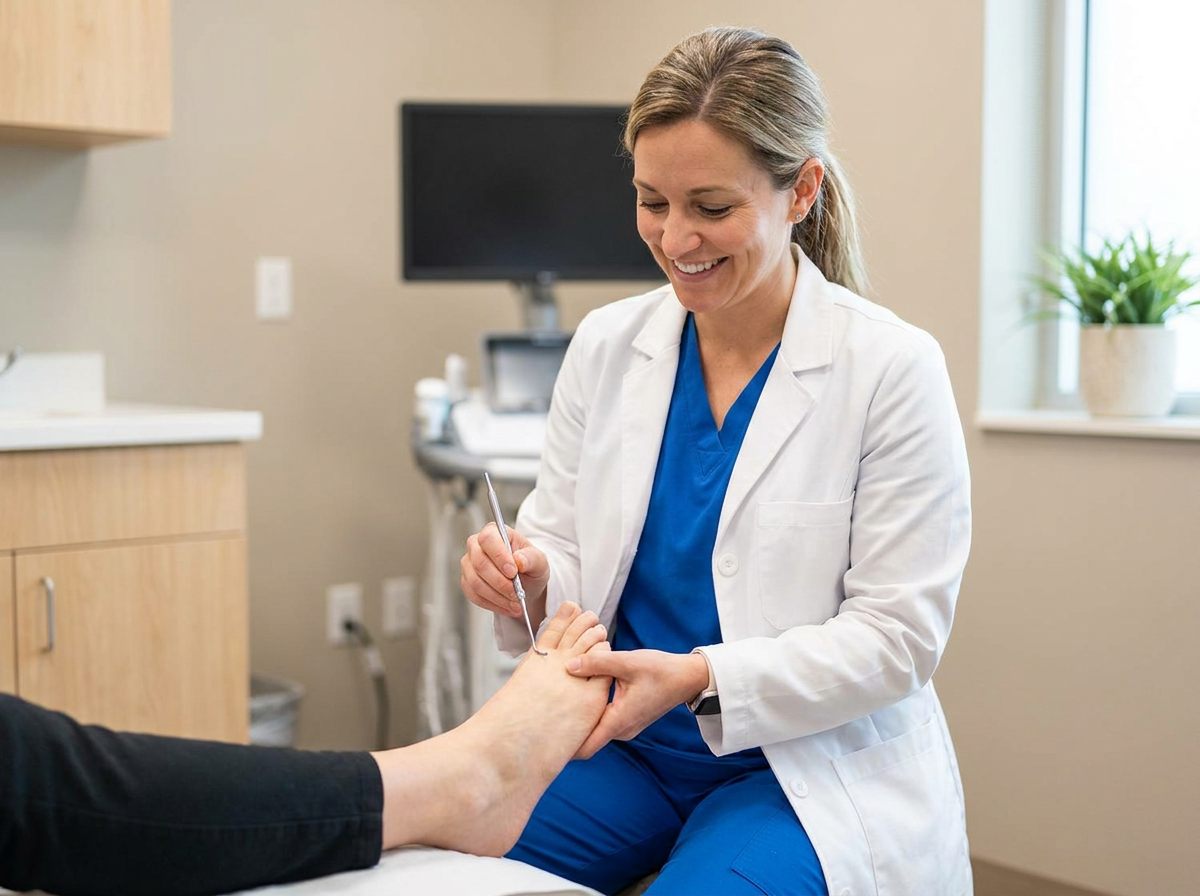
Your feet carry you through every step of your day — literally. Yet most people ignore foot pain, hoping it will just go away. Sometimes it does. But often, what starts as minor discomfort becomes a chronic problem that affects your mobility, your comfort, and your quality of life.
Knowing when to see a foot doctor — and what to expect when you do — can make all the difference. Here’s a straightforward guide to help you decide when it’s time to make that call.
What Is a Foot Doctor, Exactly?
A foot doctor, formally known as a podiatrist, is a medical specialist focused on diagnosing and treating conditions of the foot, ankle, and lower leg. Podiatrists complete four years of podiatric medical school plus residency training, and many pursue additional fellowships in areas like sports medicine or surgery.
According to the American Podiatric Medical Association (APMA), podiatrists are uniquely qualified to treat a wide range of foot and ankle conditions — from simple nail problems to complex fractures and deformities.
If something is off with your feet or ankles, a podiatrist is your go-to specialist.
7 Signs It’s Time to See a Foot Doctor
1. Persistent Heel Pain
Heel pain is one of the most common reasons people visit a podiatrist. Conditions like plantar fasciitis (inflammation of the tissue connecting your heel to your toes) and Achilles tendinitis can become debilitating if left untreated. The Mayo Clinic notes that plantar fasciitis is especially common in runners, overweight individuals, and people who spend long hours on their feet.
If your first few steps in the morning feel like you’re walking on broken glass, don’t wait it out.
2. Numbness or Tingling in Your Feet
Numbness, tingling, or a burning sensation in your feet can signal nerve damage or poor circulation — both of which can be serious. These are common symptoms in people with diabetes, and catching them early is critical. The American Diabetes Association reports that up to 50% of people with diabetes experience some form of neuropathy, with the feet being among the first areas affected.
A podiatrist can assess your nerve function and help develop a management plan before the problem progresses.
3. A Wound or Sore That Won’t Heal
Any cut, blister, or ulcer on your foot that isn’t healing within a week or two warrants immediate attention — especially if you have diabetes or circulation issues. Non-healing wounds can quickly become infected and, in severe cases, lead to serious complications. Don’t try to manage these on your own.
4. Bunions, Hammertoes, or Other Structural Issues
Bunions (bony bumps at the base of the big toe) and hammertoes (abnormal bending of a toe joint) are progressive conditions that worsen over time without treatment. Early intervention — whether through orthotics, padding, physical therapy, or minor procedures — can prevent the need for surgery down the road.
5. Ingrown Toenails
An ingrown toenail might seem like a minor nuisance, but when it becomes infected, the pain can be intense. A podiatrist can safely treat the nail and address underlying causes (like improper nail trimming or ill-fitting shoes) to prevent recurrence. Trying to dig out an ingrown nail yourself at home can make things significantly worse.
6. Flat Feet or High Arches Causing Pain
Not everyone with flat feet or high arches experiences problems, but when abnormal foot structure leads to pain in the feet, knees, hips, or back, it’s worth getting an evaluation. Custom orthotics — specially made shoe inserts — prescribed by a podiatrist can provide significant relief and help correct alignment issues.
7. Sports Injuries to the Foot or Ankle
Ankle sprains, stress fractures, and tendon injuries are extremely common among active individuals. The American Orthopaedic Foot & Ankle Society (AOFAS) recommends prompt evaluation for ankle injuries to rule out fractures and prevent chronic instability. A foot doctor will get you properly diagnosed and on the right treatment plan so you can get back to doing what you love.
What to Expect at a Podiatry Appointment
Your first visit to a foot doctor typically includes:
- A full medical history review — including any chronic conditions like diabetes, arthritis, or circulatory issues
- A physical exam of the foot, ankle, and lower leg
- Imaging if needed — X-rays or ultrasound to diagnose fractures, bone spurs, or soft tissue damage
- A personalized treatment plan — which may include medication, physical therapy, orthotics, minor in-office procedures, or a referral for surgery if necessary
Most people are surprised by how quickly a skilled podiatrist can identify and address problems they’ve been living with for months or years.
Do You Need a Referral?
In many cases, no — you can schedule directly with a podiatry specialist without a referral from your primary care doctor. However, it’s always a good idea to check with your insurance provider, since coverage requirements vary by plan.
Why Waiting Is Usually the Wrong Move
Foot problems rarely fix themselves, and delay often means:
- A minor issue becoming a major one
- More aggressive treatment required (including potential surgery)
- Months of unnecessary pain affecting your daily life
The Centers for Disease Control and Prevention (CDC) emphasizes that annual foot exams are essential for anyone with diabetes — but even for those without chronic conditions, addressing foot pain early leads to faster recovery and better long-term outcomes.
See a Foot Doctor at Care Station Medical
At Care Station Medical, our podiatry team is here to help you get real answers and real relief — not just a band-aid solution. Whether you’re dealing with heel pain, a sports injury, diabetic foot complications, or something you just can’t quite figure out, we’ll take the time to diagnose the root cause and create a treatment plan that works for your life.
We believe in treating you until you’re better — not just once and out the door.
Ready to stop living with foot pain? Contact Care Station Medical today to schedule your podiatry appointment. Walk-ins are also welcome at many of our locations.
Call us at (908) 925-CARE (2273) or request an appointment online.
Care Station Medical serves patients across New Jersey, with locations in Linden, Springfield, West Orange, Secaucus, Garwood, and Succasunna.