
What Is a Skin Abscess — and Why Summer Heat Makes Them More Common in New Jersey
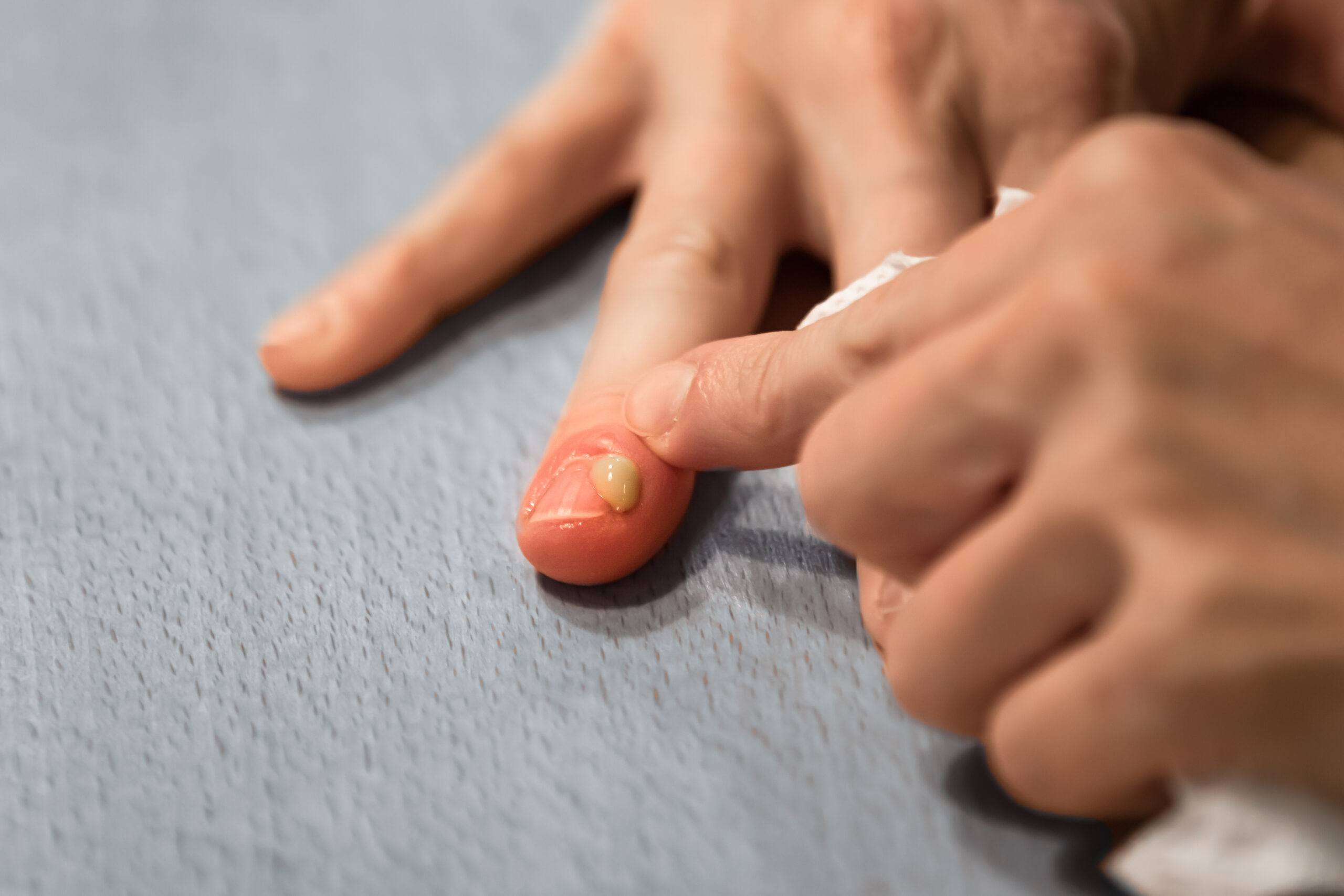
Summer heat, sweat, bug bites, and outdoor activities create perfect conditions for something many New Jersey residents deal with but rarely talk about: skin abscesses.
That painful, swollen lump under your skin—possibly warm to the touch and filled with fluid—is a sign that your body is fighting an infection, and it almost always requires professional care to heal properly.
Here’s what you need to know about skin abscesses, why they’re more common during the summer, and how to get fast, effective treatment in New Jersey.
What Is a Skin Abscess?
A skin abscess is a localized collection of pus beneath the skin’s surface caused by a bacterial infection. The body responds to the infection by walling it off from the surrounding tissue, creating a tender, fluid-filled lump that can range from the size of a pea to larger than a golf ball.
Abscesses can develop anywhere on the body but are most common in areas prone to moisture, friction, or minor trauma.
Common locations include:
- Underarms
- Groin and inner thighs
- Buttocks
- Back of the neck and scalp
- Face (particularly around the nose and chin)
- Around hair follicles (folliculitis leading to furuncles or carbuncles)
- Around the anus (perianal abscess, which always warrants medical attention)
What Causes a Skin Abscess?
The most common cause is Staphylococcus aureus, the same bacteria responsible for many skin infections. However, other bacteria can also cause abscesses, including community-acquired MRSA (methicillin-resistant Staphylococcus aureus), which has become increasingly common.
Abscesses typically begin after:
- A minor cut, scrape, or insect bite introduces bacteria into the skin
- A blocked hair follicle, especially in areas of friction
- An ingrown hair
- A cyst that becomes infected
- Poor wound care following a summer injury
Why Summer Increases Abscess Risk
Several factors make skin abscesses more common during warmer months.
Sweating and moisture
Sweat keeps the skin damp, promoting bacterial growth and friction-related irritation of hair follicles.
Bug bites and outdoor injuries
Scratching insect bites or sustaining small cuts while hiking, gardening, or participating in outdoor activities can introduce bacteria into the skin.
Tight-fitting clothing and athletic wear
Summer sports gear and fitted clothing can rub against the skin, causing folliculitis that may progress into an abscess.
Poor wound care
A scrape or cut that isn’t properly cleaned can quickly become infected in hot, humid weather.
According to the CDC, community-associated MRSA skin infections are a growing concern, especially in gyms, sports teams, and households. MRSA-related abscesses may be more resistant to standard antibiotics.
Symptoms of a Skin Abscess
Signs and symptoms may include:
- A tender, raised lump beneath the skin
- Redness and warmth over the affected area
- Swelling that feels soft or fluid-filled in the center
- Pus that drains on its own
- Fever and chills if the infection spreads
- An enlarging red area or red streaks extending away from the lump
Why You Should Not Try to Drain an Abscess at Home
It may be tempting to squeeze or lance an abscess yourself, but doing so can make the infection worse.
Reasons to avoid home drainage include:
- Home drainage is rarely complete, leaving infected material behind that can cause the abscess to return.
- Using unsterile tools can introduce additional bacteria or push the infection deeper into the tissue.
- Some abscesses contain multiple internal pockets that require careful drainage by a medical professional.
- Improper drainage increases the risk of scarring.
Professional incision and drainage (I&D) is the standard treatment. It is a simple outpatient procedure performed using local anesthesia, and most patients experience immediate pain relief once the abscess has been properly drained.
How Care Station Medical Treats Abscesses
Our providers evaluate the abscess to determine its size, depth, and severity before recommending treatment.
A typical incision and drainage procedure includes:
- Cleaning and preparing the affected skin
- Administering local anesthesia for comfort
- Making a small incision to drain the pus
- Irrigating the cavity and, when necessary, placing gauze packing to promote continued drainage
- Prescribing antibiotics if there are signs of spreading infection, fever, or MRSA risk
- Providing detailed wound care instructions and arranging follow-up if needed
The National Institutes of Health (NIH) notes that antibiotics alone often cannot cure an abscess because they cannot adequately penetrate the pus-filled cavity. Proper drainage is essential.
When to Seek Care Immediately
Seek urgent medical attention if:
- The abscess is located on your face (especially near the eyes or nose), spine, or groin
- You have a fever above 101°F
- You have diabetes or a weakened immune system
- Red streaks are extending away from the abscess
- The swelling is rapidly increasing in size
Get Abscess Treatment in New Jersey Today
You don’t have to live with the pain or attempt to treat an abscess on your own.
Care Station Medical’s urgent care and primary care teams provide professional incision and drainage procedures that deliver immediate relief while helping prevent the infection from returning.
Walk into any of our New Jersey locations or call (908) 925-CARE (2273) today. Same-day appointments are available so you can start feeling better as quickly as possible.
Disclaimer
This content is provided for informational purposes only and is not intended as a substitute for professional medical advice, diagnosis, or treatment. Always seek the advice of your physician or another qualified healthcare provider with any questions regarding a medical condition. If you believe you are experiencing a medical emergency, call your doctor or dial 911 immediately.