
Summer Activities and Broken Bones: What to Do If You Suspect a Fracture in New Jersey
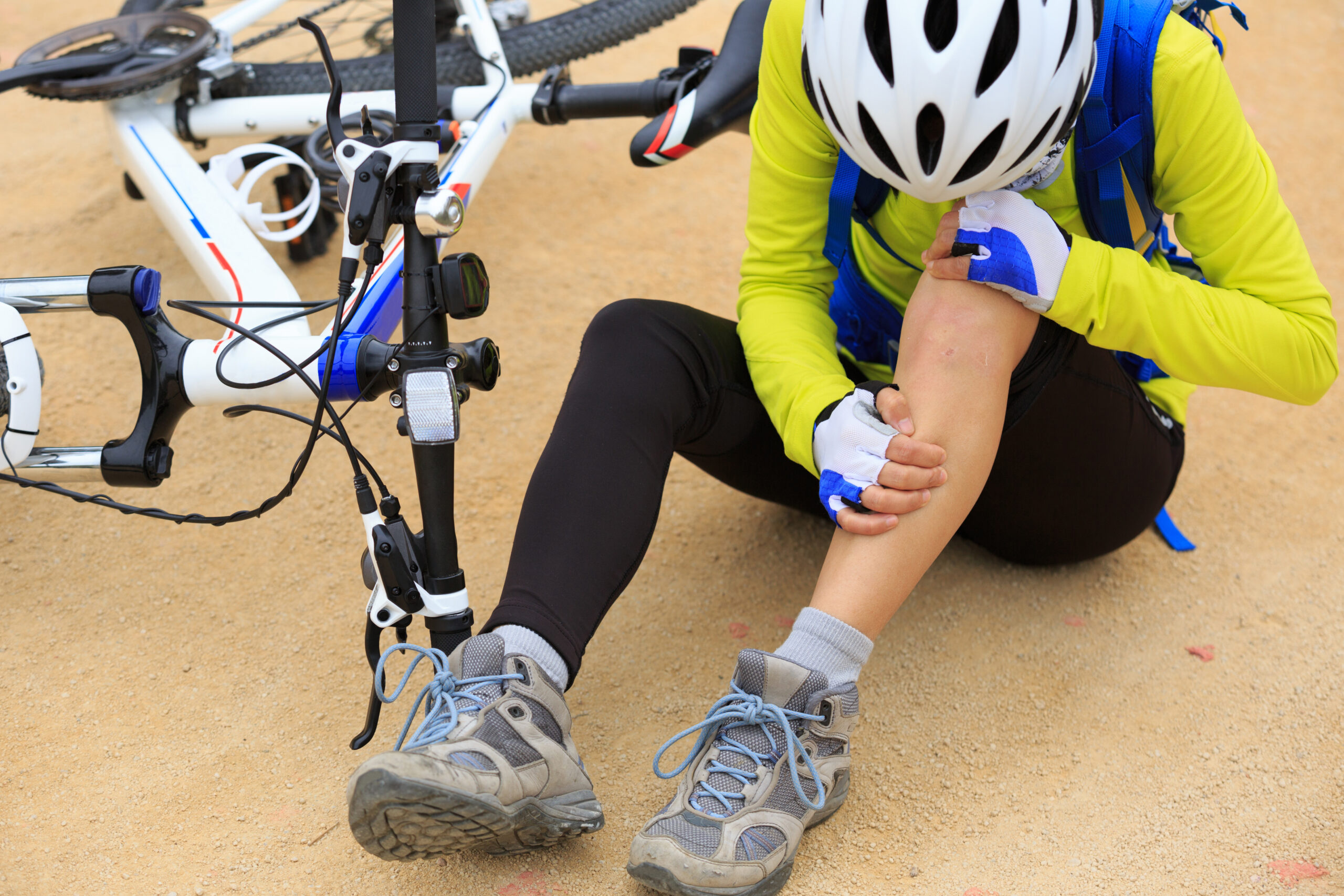
Summer in New Jersey is packed with activity—hiking, biking, beach sports, backyard barbecues, and recreational leagues. With all that movement comes an increased risk of bumps, falls, and injuries. Among the most common serious injuries treated at urgent care centers during the summer are bone fractures.
Whether the injury happened during a beach volleyball game, a bike ride on a trail, or a slip near the pool, knowing how to respond quickly and seek the right care can make a significant difference in your recovery.
What Is a Bone Fracture?
A fracture is a break in a bone. Fractures range from small hairline cracks that may barely appear on an X-ray to complete breaks that require surgical treatment.
According to the American Academy of Orthopaedic Surgeons (AAOS), more than 6 million bone fractures occur in the United States each year.
Common Types of Fractures
- Stress fractures – Small cracks caused by repetitive force, commonly seen in runners and athletes.
- Hairline fractures – Thin cracks that do not completely separate the bone and may cause only mild pain.
- Compound (open) or displaced fractures – Severe breaks where the bone is completely separated or protrudes through the skin. These require immediate emergency care.
- Avulsion fractures – Occur when a tendon or ligament pulls a small piece of bone away, often involving the ankle or foot.
Common Summer Activities That Lead to Fractures
Summer activities that frequently result in broken bones include:
- Falls from bicycles, skateboards, or scooters
- Sports collisions during basketball, soccer, softball, or other recreational leagues
- Rolling an ankle while hiking or trail running
- Falls from ladders, decks, or playground equipment
- Foot fractures caused by running barefoot on hard surfaces
Children are especially vulnerable to fractures during the summer because they spend more time playing outdoors, and the growth plates in their bones are softer than those of adults.
Fracture Symptoms: How to Tell if Something Is Broken
It isn’t always easy to tell the difference between a fracture, sprain, or severe bruise. However, the following symptoms should prompt medical evaluation:
- Intense, localized pain at the site of the injury
- Rapid swelling and bruising
- Tenderness when pressure is applied
- Difficulty bearing weight or using the injured limb
- A visible deformity or bone that appears out of place
- A popping or cracking sound at the time of injury
- Numbness or tingling, which may indicate nerve involvement
Important: If the bone is protruding through the skin, the injured limb appears severely deformed, or there is significant loss of sensation, seek emergency medical care immediately.
What to Do Before You Get Medical Care
While traveling to Care Station Medical or the nearest emergency department, follow these basic first-aid steps:
- Immobilize the injured area. Do not attempt to straighten a broken bone.
- Apply an ice pack wrapped in a cloth for approximately 20 minutes to reduce swelling.
- Elevate the injured limb whenever possible.
- Apply gentle pressure if there is bleeding, but do not remove any object lodged in the wound.
- Do not give aspirin to children. Adults may use ibuprofen or acetaminophen for pain relief if appropriate.
How Fractures Are Diagnosed and Treated
At Care Station Medical, our providers use on-site digital X-rays to determine whether a fracture is present and evaluate its severity.
Many fractures can be treated without surgery using one or more of the following:
- Casts or splints to keep the bone properly aligned while it heals
- Buddy taping for minor finger and toe fractures
- Walking boots or braces for foot and ankle injuries
- Crutches to reduce weight-bearing on lower extremity fractures
- Anti-inflammatory medications and other pain management options
If a fracture requires surgery or specialized care, we’ll refer you to an experienced orthopedic specialist.
Recovery and What to Expect
Recovery time depends on the location of the fracture, the severity of the injury, and your age and overall health.
According to the National Institutes of Health (NIH), most uncomplicated fractures heal within 6 to 8 weeks when properly immobilized. Children often recover more quickly than adults.
During recovery, it’s important to:
- Follow your provider’s instructions regarding weight-bearing and activity restrictions
- Attend follow-up appointments to monitor healing with repeat X-rays
- Participate in physical therapy if recommended to restore strength, flexibility, and range of motion
Get Same-Day Fracture Care in New Jersey
If you’ve experienced a fall or injury and aren’t sure whether you’ve broken a bone, don’t wait to see if the pain improves on its own.
Care Station Medical provides same-day evaluations, on-site digital X-rays, and expert fracture care at our convenient New Jersey locations.
Walk in today or call (908) 925-CARE (2273) to speak with our team.
We’ll evaluate your injury, begin treatment promptly, and help you get back on the road to recovery as quickly as possible.
Disclaimer
This content is provided for informational purposes only and is not intended as a substitute for professional medical advice, diagnosis, or treatment. Always seek the advice of your physician or another qualified healthcare provider with any questions regarding a medical condition. If you believe you are experiencing a medical emergency, call your doctor or dial 911 immediately.