
Back-to-School and Sports Physicals in New Jersey: What Parents Need to Know Before the First Bell
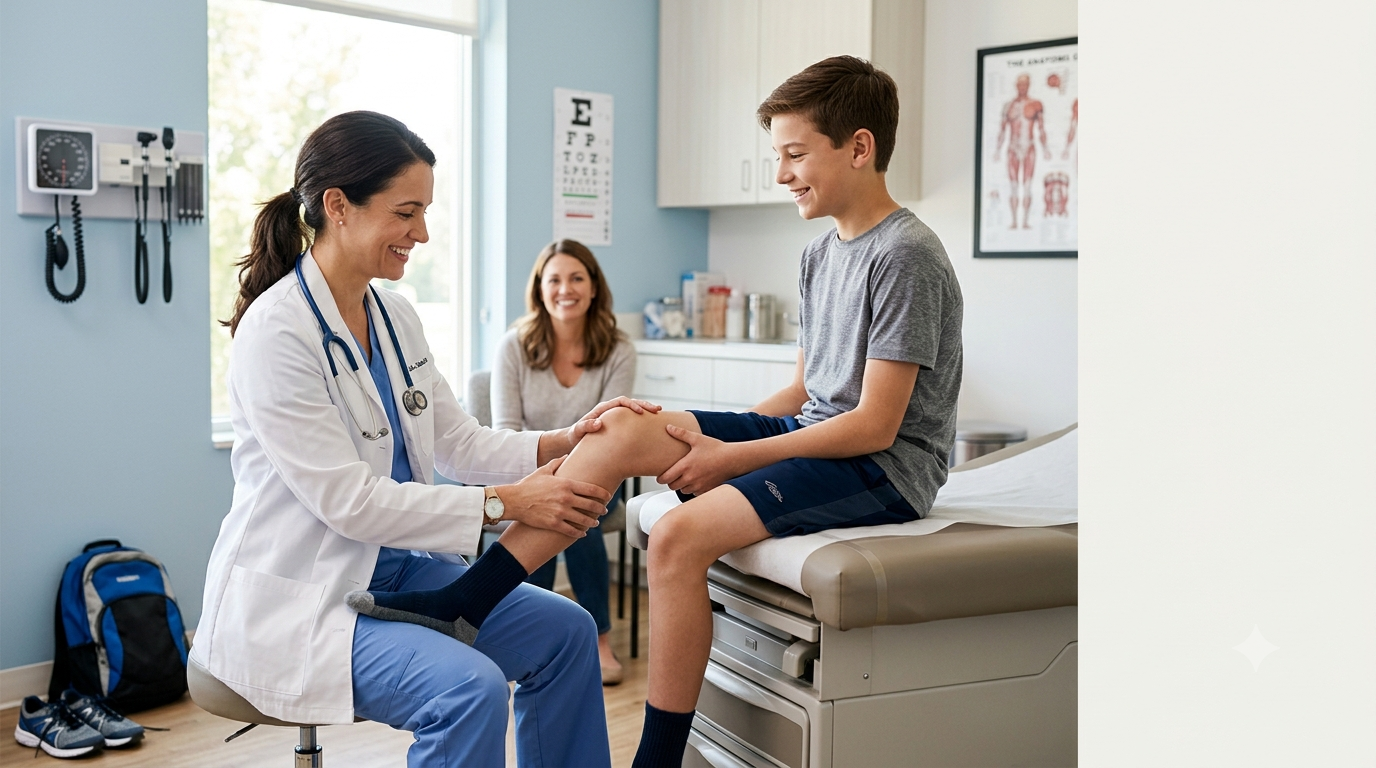
August has a way of sneaking up on families. One week you’re planning beach days, and the next you’re staring down supply lists, bus schedules, and a stack of school forms that all seem to be due at once. Near the top of that stack is usually a health form — and for student athletes, a completed pre-participation physical evaluation.
Here’s the good news: getting it done is faster and simpler than most parents expect. Here’s the less good news: if you wait until the last week of August, you’ll be competing with every other family in New Jersey for the same appointment slots.
This guide breaks down what a school physical actually covers, how a sports physical is different, what paperwork New Jersey requires, and how to get it handled without derailing the rest of your summer.
What Is a School Physical?
A school physical — sometimes called a well-child visit or student health exam — is a routine health evaluation that confirms a child is healthy enough to participate fully in the school day. It’s a checkpoint, not a sick visit. Your child doesn’t need to have anything wrong with them to need one.
A school physical typically includes:
- Height, weight, BMI, blood pressure, and pulse
- Vision and hearing screening
- A head-to-toe physical exam, including heart, lungs, abdomen, and skin
- Review and update of the immunization record
- A conversation about growth, development, sleep, nutrition, and screen time
- Screening for anxiety, mood changes, or other mental health concerns, particularly in older children and teens
It’s also one of the few times each year a provider gets an unhurried look at your child’s overall health — which is exactly why it matters more than the form it produces.
What Is a Sports Physical, and How Is It Different?
A sports physical, formally known as a pre-participation physical evaluation (PPE), is focused on one question: is it safe for this athlete to play this sport?
It covers everything a school physical does, plus a deeper look at the systems most likely to be stressed by athletic activity:
Detailed Medical and Family History
This is the single most important part of the exam. Your provider will ask about chest pain during exercise, fainting or dizziness, unexplained shortness of breath, prior concussions, heat illness, and any family history of sudden cardiac death or heart conditions before age 50. Answer honestly and completely — a history form that glosses over a fainting episode defeats the entire purpose of the screening.
Cardiovascular Screening
The provider listens for heart murmurs, checks blood pressure and pulses, and looks for physical signs of underlying conditions. The American Heart Association identifies pre-participation screening as an important tool for identifying athletes at risk for sudden cardiac events, which, while rare, are the leading cause of death in young athletes during exercise.
Musculoskeletal Evaluation
Joints, flexibility, strength, and posture are assessed — often through a series of simple movements. Prior injuries get particular attention, since an ankle or shoulder that never fully rehabbed is one of the strongest predictors of a repeat injury.
Vision, Skin, and Neurological Check
Uncorrected vision problems, skin infections that spread easily in wrestling and contact sports, and any lingering post-concussion symptoms are all evaluated before clearance is given.
What New Jersey Requires
New Jersey has specific requirements that catch a lot of families off guard:
- The Preparticipation Physical Evaluation form: Student athletes must complete the NJ Department of Education’s PPE form, which includes a health history section signed by a parent or guardian and a medical eligibility form completed by the examining provider.
- Timing: The sports physical must generally be completed within 365 days of the first practice, and a health history update questionnaire is required if more than 90 days have passed since the exam.
- Provider credentials: The exam must be performed by a licensed physician, advanced practice nurse, or physician assistant who has completed the state’s Student-Athlete Cardiac Screening module.
- Immunization compliance: Schools require documented, up-to-date immunizations for enrollment, including Tdap and meningococcal vaccine for students entering sixth grade.
A note for parents: requirements vary slightly by district and by grade level. Bring every form your school sent home — including the ones you’re not sure apply — and we’ll sort out what needs signing.
Why August Is the Right Time to Go
Fall sports tryouts in New Jersey often begin in mid-to-late August, before the school year officially starts. Athletes without a completed physical on file are not permitted to practice — no exceptions, no grace period. Every year, students miss the first days of tryouts over a missing signature.
Scheduling in early August gives you:
- Time to complete any follow-up testing before tryouts, if something is flagged
- Room to update immunizations without a last-minute scramble
- Shorter waits, since the true rush hits the final two weeks of the month
- Peace of mind that the paperwork is submitted and accepted
How to Prepare for the Visit
- Bring the school’s forms, already filled out on the parent and student sections
- Bring your child’s immunization record if we are not their regular primary care office
- Bring a list of current medications, supplements, and inhalers
- Bring glasses or contacts if your child wears them
- Write down any concerns — recurring headaches, joint pain, fatigue, appetite changes — so nothing gets forgotten in the moment
- Have your child wear clothing that’s easy to move in, especially for a sports physical
If your teen is old enough, expect the provider to spend part of the visit speaking with them privately. That’s intentional and appropriate — adolescents are more likely to raise concerns about mood, sleep, or substance use when a parent isn’t in the room.
What Happens If Your Child Isn’t Cleared?
It’s uncommon, and it’s rarely permanent. Most of the time, a provider will grant clearance with conditions — such as completing physical therapy for an old injury, using an inhaler before practice, or following a specific hydration plan in the heat.
Occasionally, a finding warrants further evaluation before clearance, such as an EKG, an echocardiogram, or a referral to a specialist. This isn’t a reason for panic. It’s the screening doing exactly what it was designed to do, and it’s far better to find out in August than on a field in October.
Don’t Skip the Physical Just Because Sports Aren’t Happening
Plenty of families only book a physical when a form demands one. But the American Academy of Pediatrics recommends an annual well-child visit for every child and adolescent, athlete or not. These visits track growth patterns, catch vision and hearing problems that quietly affect classroom performance, keep vaccinations current, and build a health history that becomes genuinely useful as your child gets older.
A form is a good reason to come in. It shouldn’t be the only one.
Get Your Back-to-School or Sports Physical in New Jersey
Care Station Medical offers school physicals, sports physicals, and comprehensive well-child visits at our primary care and urgent care locations throughout New Jersey, including Linden, Springfield, West Orange, Secaucus, Garwood, and Succasunna. Our providers complete the required New Jersey forms during the visit, so you leave with the paperwork done — not a promise to fax it later.
Same-day appointments are available, and walk-ins are always welcome at our urgent care locations.
Call (908) 925-CARE (2273) or visit carestationmedical.com to schedule your child’s physical today. Beat the August rush — and let your student start the season on time.
Disclaimer: This content is for informational purposes only and is not a substitute for professional medical advice, diagnosis, or treatment. Always seek the advice of your physician or other qualified health provider with any questions you may have regarding a medical condition. If you think you may have a medical emergency, call your doctor or 911 immediately.