
When a Cut Needs Stitches: A Guide to Laceration Care in New Jersey This Summer
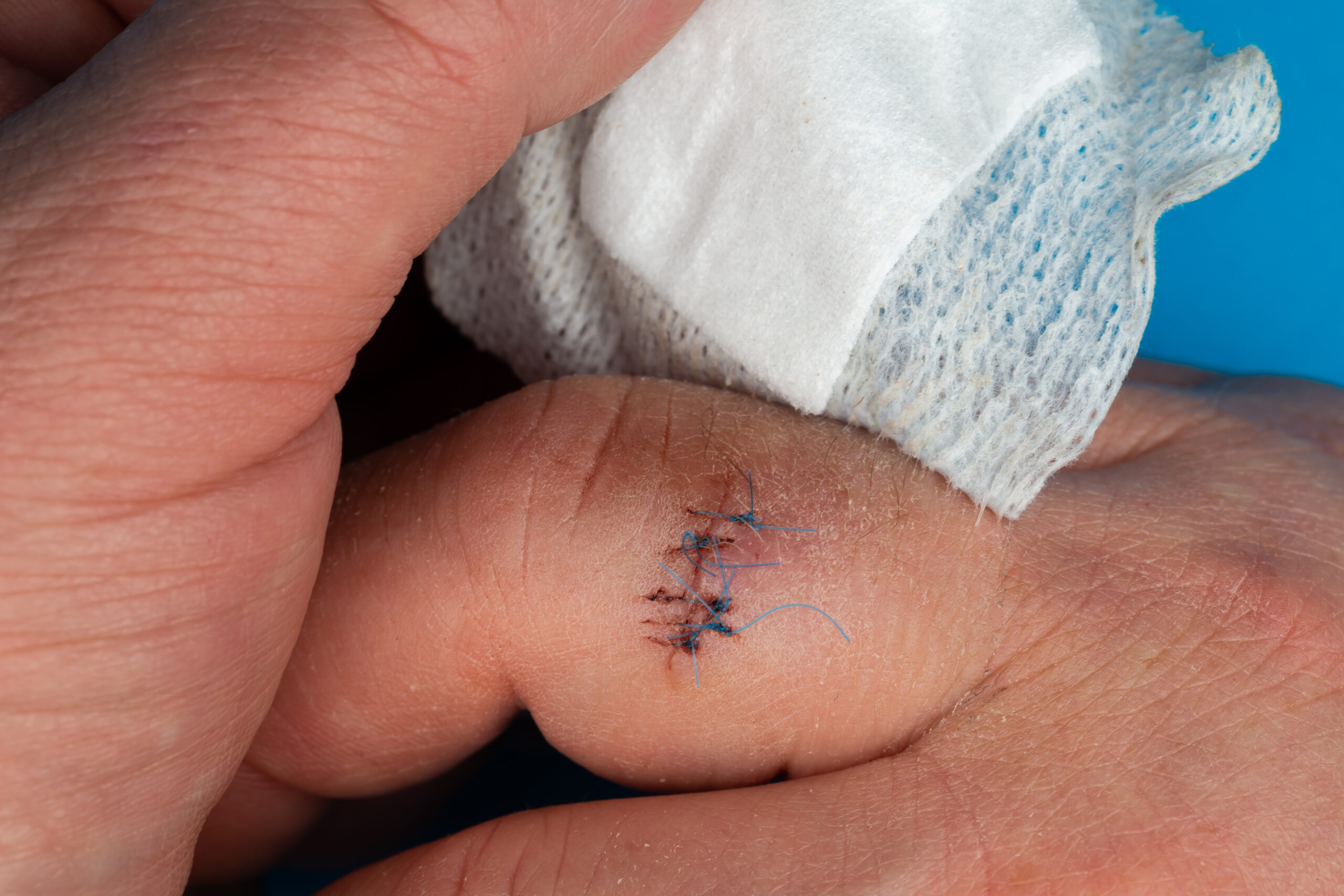
Summer is a wonderful time to stay active—grilling, gardening, hiking, playing sports, and tackling home improvement projects. However, all that activity also brings an increased risk of cuts and lacerations.
When a cut happens, one of the first questions people ask is: Does this need stitches, or can I treat it at home?
Making the right decision is important. A wound that is left untreated—or treated improperly—can lead to infection, delayed healing, and unnecessary scarring that could often be prevented with prompt medical care.
What Is a Laceration?
A laceration is a cut or tear in the skin caused by a sharp object, such as a knife, broken glass, or tool, or by blunt force that splits the skin, such as a fall or collision.
Unlike abrasions (scrapes), lacerations extend deeper into the skin and may involve underlying tissue, muscles, tendons, or blood vessels.
Common Summer Causes of Lacerations
Cuts and lacerations commonly occur during summer activities, including:
- Kitchen accidents involving knives, graters, or broken dishes
- Injuries from power tools or lawn equipment
- Broken glass at the beach or pool
- Falls from bicycles, skateboards, or scooters
- Sports injuries involving contact, cleats, or sporting equipment
- Sharp edges on grills, lawn furniture, or fencing
- Animal bites, which also carry a higher risk of infection
Does My Cut Need Stitches?
Not every cut requires stitches, but some wounds should be evaluated by a medical provider as soon as possible.
Your Cut May Need Stitches If It:
- Is longer than ½ inch (about the length of a thumbnail)
- Has edges that remain open or cannot be easily brought together
- Is located on the face, neck, hands, or over a joint
- Is deep enough to expose fatty tissue, muscle, or bone
- Was caused by a dirty object or an animal bite
- Continues bleeding after 10 to 15 minutes of firm, direct pressure
Home Care May Be Appropriate If the Cut:
- Is less than ½ inch long
- Has clean, straight edges that stay together
- Is shallow and affects only the top layer of skin
- Stops bleeding after a few minutes of gentle pressure
When you’re unsure, it’s always safest to have the wound evaluated by a healthcare provider.
What Happens During Laceration Treatment?
When you visit Care Station Medical, our providers will carefully evaluate and treat your wound to promote proper healing and reduce the risk of infection.
Treatment typically includes:
- Examining the wound to assess its depth and check for damage to nerves, tendons, blood vessels, or underlying tissue.
- Thoroughly cleaning and irrigating the wound to remove dirt and bacteria.
- Administering local anesthesia if stitches are needed to keep you comfortable.
- Closing the wound using stitches, staples, or adhesive strips (Steri-Strips), depending on the location and severity.
- Reviewing your tetanus vaccination history and providing a booster if necessary.
- Giving detailed wound care instructions, including signs of infection to watch for and when to return for suture removal.
How to Care for a Cut Before You Arrive
If you’re on your way to urgent care, follow these first-aid steps:
- Apply firm, direct pressure using a clean cloth to help stop the bleeding.
- Gently rinse the wound with clean water if dirt or debris is present.
- Avoid pouring hydrogen peroxide, iodine, or rubbing alcohol directly into deep wounds, as these products may damage healthy tissue and delay healing.
- Cover the wound loosely with a sterile bandage.
If the bleeding is severe, will not stop, or the wound is widely open, go directly to the nearest emergency department.
According to WebMD, immediate medical attention is recommended if blood is spurting from the wound, the injured person takes blood-thinning medications, or a tetanus booster has not been received within the recommended timeframe.
Signs of an Infected Cut
Even properly treated wounds can become infected. Watch for these warning signs during the healing process:
- Increasing redness, warmth, or swelling around the wound
- Pus or cloudy drainage
- Red streaks extending away from the wound
- Fever
- Increasing pain after the first day or two instead of gradual improvement
If you notice any of these symptoms, return to Care Station Medical promptly. Early treatment can prevent the infection from spreading.
Wound Healing and Scar Prevention
Following your provider’s instructions carefully can help minimize scarring and support proper healing.
To promote the best possible outcome:
- Keep the wound moist using petroleum jelly or an antibiotic ointment if recommended.
- Keep the wound covered with a clean bandage until it has healed.
- Protect the healing skin from direct sunlight, as ultraviolet (UV) exposure can darken scars.
- Avoid picking at scabs or stitches.
- Return for suture removal at the recommended time, since leaving stitches in too long can increase scarring.
The American Academy of Family Physicians recommends changing wound dressings daily and monitoring closely for signs of infection during the first 48 to 72 hours.
Get Laceration Care Today in New Jersey
Cuts happen unexpectedly, but getting prompt medical attention can make all the difference in how well your wound heals.
Care Station Medical provides same-day laceration care, stitches, and wound management at our urgent care locations throughout New Jersey—no appointment necessary.
Walk in today or call (908) 925-CARE (2273) to receive prompt, professional treatment.
Our experienced medical team will ensure your wound is thoroughly cleaned, properly closed, and given the best opportunity to heal with minimal scarring.
Disclaimer
This content is provided for informational purposes only and is not intended as a substitute for professional medical advice, diagnosis, or treatment. Always seek the advice of your physician or another qualified healthcare provider with any questions regarding a medical condition. If you believe you are experiencing a medical emergency, call your doctor or dial 911 immediately.