
Fall Allergies in New Jersey: When to See a Doctor and How Care Station Can Help
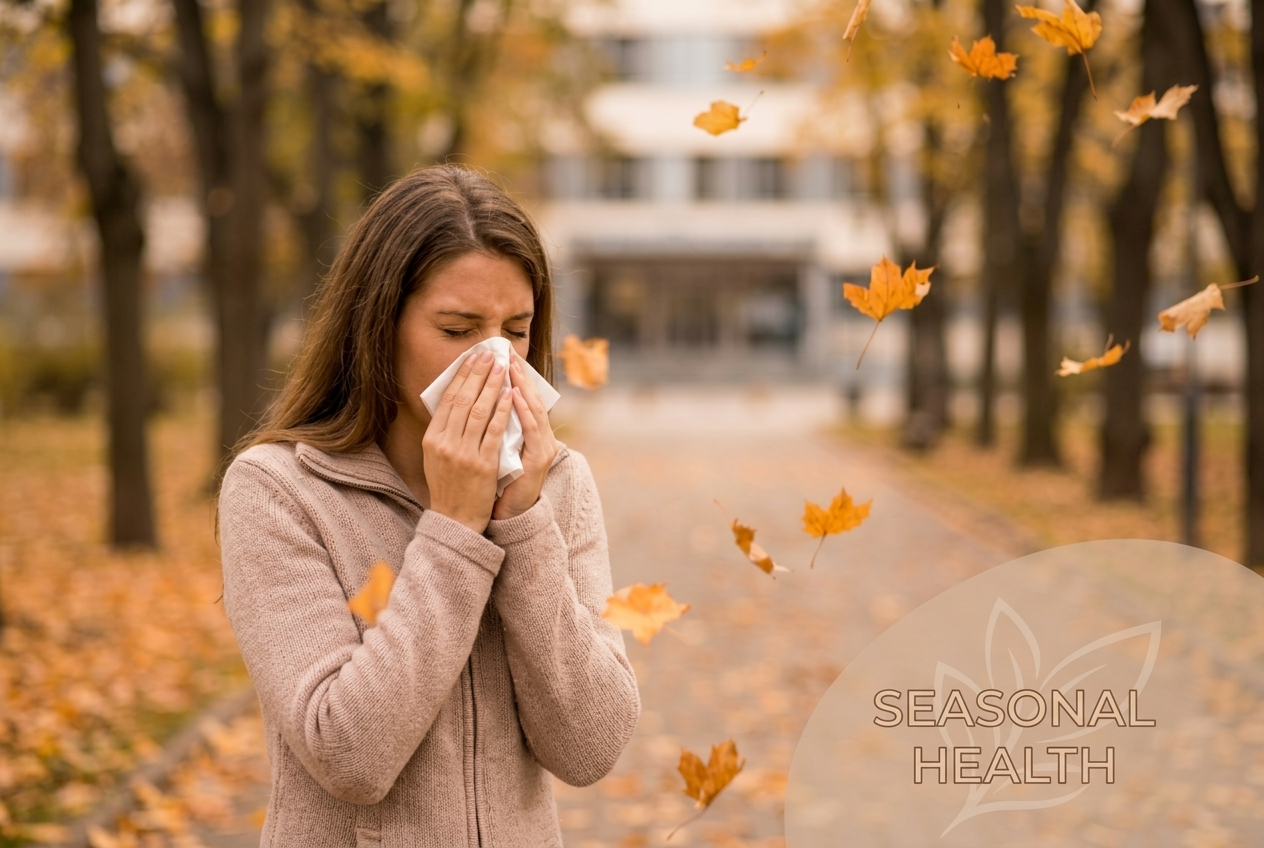
Every October, millions of people across the country reach for the tissues — not because they have a cold, but because fall allergy season is in full swing. In New Jersey, ragweed, mold spores, and other seasonal triggers can make autumn genuinely miserable for allergy sufferers. And this year is no exception.
If you’ve been sneezing, rubbing your eyes, or struggling to breathe clearly for the past few weeks, you’re not alone. But there’s a big difference between managing mild sniffles and dealing with symptoms that seriously affect your quality of life. Here’s what you need to know about fall allergies in NJ — and when it’s time to stop suffering and get proper allergy treatment.
What Causes Fall Allergies in New Jersey?
Fall allergies are triggered primarily by airborne allergens that peak in late summer and continue through October and November. In New Jersey, the biggest offenders include:
- Ragweed pollen — The number one cause of fall allergic rhinitis (hay fever). Ragweed season typically runs from August through October, with peak pollen counts on warm, dry, windy days.
- Mold spores — Decomposing leaves create a perfect breeding ground for outdoor mold, which releases spores that can trigger allergic reactions.
- Dust mites — As the weather cools and people start closing windows and running heat, indoor allergens like dust mites become more prevalent.
- Pet dander — Spending more time indoors with pets during cooler months can also aggravate allergy symptoms.
According to the American Academy of Allergy, Asthma & Immunology (AAAAI), approximately 8% of U.S. adults have hay fever, and seasonal allergies are one of the most common chronic conditions affecting Americans.
Common Fall Allergy Symptoms
Fall allergy symptoms often mimic a cold, which is why many people dismiss them or self-treat ineffectively. Common signs include:
Respiratory Symptoms
- Frequent sneezing, especially in the morning
- Runny or stuffy nose
- Itchy or scratchy throat
- Postnasal drip causing a persistent cough
- Wheezing or difficulty breathing (especially in those with asthma)
Eye Symptoms
- Red, watery, or itchy eyes (allergic conjunctivitis)
- Puffy or swollen eyelids
General Symptoms
- Fatigue (often from disrupted sleep due to nasal congestion)
- Headache or sinus pressure
- Dark circles under the eyes (also called “allergy shiners”)
One key difference between allergies and a cold: allergy symptoms tend to persist for weeks or months and don’t typically involve fever or body aches.
When Should You See a Doctor for Allergy Treatment in NJ?
Over-the-counter antihistamines and decongestants work well for mild seasonal allergies. But if you’re experiencing any of the following, it’s time to seek professional allergy care:
- Symptoms that last more than a few weeks without improvement
- Symptoms that disrupt your daily life — poor sleep, missed work, difficulty concentrating
- Severe nasal congestion that isn’t responding to OTC treatments
- Wheezing, shortness of breath, or chest tightness — these may signal allergy-induced asthma
- Recurrent sinus infections — untreated allergies can lead to chronic sinusitis
- Skin reactions such as hives or eczema alongside respiratory symptoms
The CDC emphasizes that untreated allergies can worsen over time and lead to more serious conditions, including asthma and chronic sinus disease. Getting a proper evaluation can make a significant difference.
How Care Station Medical Group Treats Allergies
At Care Station Medical Group, we offer comprehensive allergy evaluation and treatment at our convenient walk-in urgent care and primary care locations across New Jersey — including Linden, Springfield, West Orange, and Secaucus.
What to Expect at Your Allergy Visit
When you come in for allergy treatment, our medical team will:
- Review your medical history and symptoms — including when symptoms started, what makes them better or worse, and any treatments you’ve already tried
- Perform a physical examination — focusing on nasal passages, eyes, throat, and lungs
- Recommend appropriate testing if needed — such as skin prick testing or blood tests to identify specific allergens
- Create a personalized treatment plan that may include prescription antihistamines, nasal corticosteroids, decongestants, or referral to a specialist for immunotherapy (allergy shots)
Treatment Options We Offer
- Prescription-strength antihistamines and nasal sprays — more effective than many OTC options for moderate to severe symptoms
- Leukotriene receptor antagonists — particularly helpful for those with both allergies and asthma
- Immunotherapy referrals — for patients with persistent, severe allergies who want long-term relief
- Treatment for allergy-related complications — such as sinus infections or ear infections that develop as a result of untreated allergies
Tips for Managing Fall Allergies Day-to-Day
While professional treatment is often necessary, these practical steps can help reduce your allergen exposure:
- Monitor pollen counts — Stay indoors on high-pollen days (typically warm, dry, and windy days). The National Allergy Bureau provides daily pollen count data.
- Keep windows closed during peak pollen hours (usually 5–10 AM)
- Shower after spending time outdoors to remove pollen from hair and skin
- Change your HVAC filters regularly and use HEPA air purifiers indoors
- Wear sunglasses outside to protect eyes from airborne allergens
- Avoid raking leaves when possible — decomposing leaves are prime mold sources
Don’t Let Fall Allergies Slow You Down
Fall in New Jersey is too beautiful to spend it miserable and exhausted. If seasonal allergies are affecting your quality of life, you don’t have to just push through it. Care Station Medical Group offers same-day allergy evaluations at our walk-in locations — no appointment needed.
Visit any of our NJ locations in Linden, Springfield, West Orange, or Secaucus, or call us at (908) 925-CARE (2273) to speak with a member of our team. We’re open 7 days a week and ready to help you breathe easier this fall.
____________________________________________________________________________________________________
Disclaimer: This content is for informational purposes only and is not a substitute for professional medical advice, diagnosis, or treatment. Always seek the advice of your physician or other qualified health provider with any questions you may have regarding a medical condition. If you think you may have a medical emergency, call your doctor or 911 immediately.